

December 24, 2025
Key Trends Shaping the Market
The UK property market continues to experience significant change, influenced by economic conditions, interest rates, and evolving buyer…
December 24, 2025
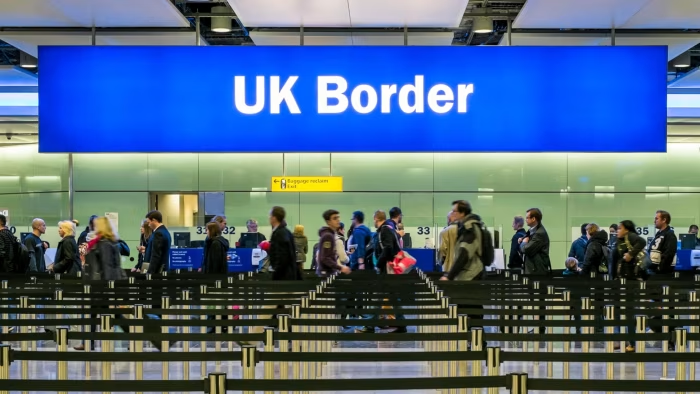
While the UK immigration system offers a wide range of routes, many applicants encounter difficulties during the process. Visa refusals, lengthy delays, and complex evidential requirements are among the most common challenges faced by individuals navigating immigration law in the UK.
One frequent issue is refusal based on insufficient evidence. Applicants may meet the substantive requirements of a visa route but fail to demonstrate this adequately through documentation. Financial evidence, employment records, and relationship proof are areas where applications often fall short.
Another significant challenge arises in family-based applications. Spouse and partner visas require applicants to meet strict financial thresholds and relationship criteria. These requirements can be particularly difficult for families with non-standard working arrangements or fluctuating income.
Appeals and administrative reviews form an important part of the system, offering a mechanism to challenge incorrect or unfair decisions. However, strict time limits apply, and the process can be legally and emotionally demanding.
For those seeking asylum or humanitarian protection, the process can be especially complex, involving interviews, credibility assessments, and long waiting periods. Legal representation and early advice can play a crucial role in ensuring that claims are properly presented.
Immigration law in the UK is highly technical, and outcomes often depend on careful preparation and up-to-date legal knowledge. Awareness of common pitfalls can significantly improve an applicant’s chances of success.
Explore more guidance and updates from our team.
December 24, 2025
The UK property market continues to experience significant change, influenced by economic conditions, interest rates, and evolving buyer…
December 24, 2025
Immigration law in the UK governs who is permitted to enter, live, work, and settle in the country.…